
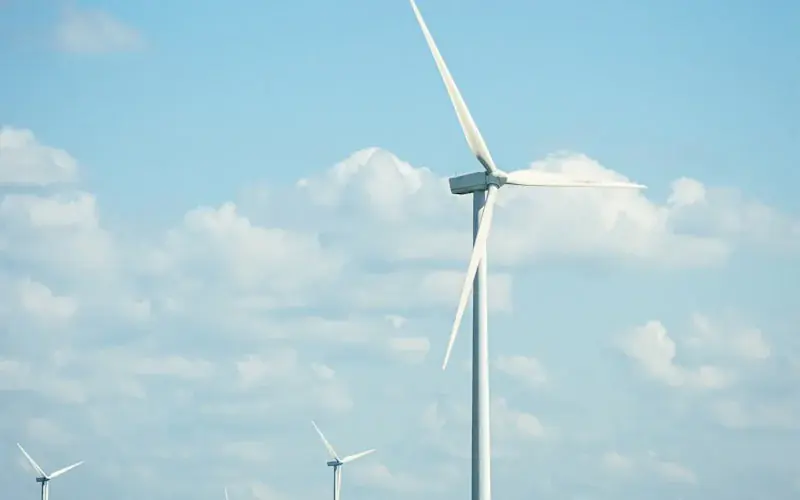
Case Study: Predictive Grid Optimization & Demand Forecasting

Energy & Utilities Case Study
Energy & Utilities

Predictive Grid Optimization & Demand Forecasting

The Challenge: Grid Instability and Inaccurate Forecasts

A regional utility company serving over 2 million customers was struggling with grid instability, frequent unplanned outages, and persistently inaccurate demand forecasts. Legacy forecasting models relied on simple historical averages and failed to account for weather variability, renewable energy intermittency, and shifting consumption patterns. Unplanned outages were costing the utility millions in emergency repairs and regulatory penalties, while over-provisioning during low-demand periods wasted significant resources. The utility needed a modern, data-driven approach to predict demand accurately and proactively manage grid health.

Our Solution: ML-Powered Grid Intelligence

Lydatum developed an end-to-end predictive analytics platform combining machine learning time-series models with real-time IoT sensor data to optimize grid operations and demand forecasting:

  • IoT Sensor Integration: We established real-time data pipelines ingesting telemetry from thousands of grid sensors, smart meters, and weather stations. Data was streamed through AWS Kinesis into a centralized data lake, providing continuous visibility into grid health, load distribution, and environmental conditions across the service territory.
  • Advanced Time-Series Forecasting: Using AWS SageMaker, we trained ensemble time-series models (combining LSTM neural networks, gradient boosting, and Prophet) to predict energy demand at hourly, daily, and weekly horizons. Models incorporated weather forecasts, calendar events, economic indicators, and distributed energy resource (solar/wind) generation patterns to achieve high-accuracy predictions.
  • Predictive Maintenance Engine: A separate ML pipeline analyzed equipment sensor data to predict transformer failures, line faults, and substation anomalies before they caused outages. The system generated risk scores for grid assets and recommended preventive maintenance schedules, shifting the utility from reactive to proactive asset management.
  • Real-Time Operations Dashboard: Interactive dashboards provided grid operators with live demand-vs-capacity views, predicted load curves, equipment health indicators, and automated alerts for emerging grid stress conditions. Operators could simulate scenarios and optimize load balancing decisions in real time.

The Impact: Fewer Outages, Better Forecasts, Lower Costs

The predictive grid optimization platform transformed the utility's operational capabilities:

30%
Fewer Unplanned Outages
92%
Demand Forecast Accuracy
18%
Lower Operating Costs

By combining predictive maintenance with accurate demand forecasting, the utility significantly reduced both unplanned outages and unnecessary over-provisioning. Grid operators gained the ability to anticipate and prevent equipment failures before they impacted customers, while improved demand predictions enabled more efficient energy procurement and resource allocation. The platform paid for itself within the first year through reduced emergency repair costs, lower fuel expenses, and avoided regulatory penalties.

Technologies Used: AWS SageMaker, AWS Kinesis, IoT Sensor Integration, LSTM Neural Networks, Prophet, Gradient Boosting, Python, Real-Time Dashboards

Ready to Transform Your Business?

Schedule a free consultation to discover how AI and Data can drive your business success

Book a Consultation